

Short answer
Priests do not marry to dedicate themselves fully to God and pastoral mission.
Full answer
The prohibition of marriage for Catholic priests is rooted in centuries-old tradition based on theological, historical, and spiritual foundations. Priestly celibacy, though not a dogma, is an ecclesiastical discipline representing a call to exclusive dedication to God and community service, inspired by Jesus Christ himself.
Celibate life allows priests to fully dedicate themselves to their mission. By renouncing marriage, a priest symbolizes complete devotion to the Lord and the Church, being more available to meet the spiritual and pastoral needs of the faithful. This commitment aims to facilitate not only their ministry but also to express indivisible love and radical fidelity to God’s Kingdom.
In the Bible, Saint Paul, in his first letter to the Corinthians, argues that celibacy enables greater freedom to focus on the “things of the Lord” (1 Corinthians 7:32-35), without the distractions of family life. This freedom is reflected in pastoral practice, where priests are more ready to take on responsibilities for the community. In Matthew 19:12, Jesus suggests a voluntary choice of celibacy “for the sake of the Kingdom of Heaven,” an ideal the Catholic Church deems fitting for priestly ministry.
The tradition of Catholic clergy living celibately dates back to the 4th century but was formalized by the Second Lateran Council in 1139, making celibacy mandatory for priests. This rule consolidated the practice of living the priesthood as an extension of Christ himself, who lived celibate and devoted to the divine mission.
The Church views celibacy as a tangible sign of the total and radical dedication of priests, who are called to live “in persona Christi,” that is, in the person of Christ, testifying to the reality of God’s Kingdom.
Celibacy is also seen as a foretaste of eternal life. Jesus, in Matthew 22:30, states that in the resurrection “they neither marry nor are given in marriage,” pointing to a vocation to a union with God transcending earthly bonds. Thus, priestly celibacy is an expression of this eschatological ideal, where a priest’s life becomes a foreshadowing of eternal communion with God.
It is important to note, however, that this discipline is not universal. In the Eastern Catholic Church, married men may be ordained as priests, though celibacy is mandatory for bishops. This diversity shows that while the Church values celibacy as an important sign of dedication to God, it also recognizes the contributions married men can bring to priesthood.
Celibacy is thus a particular choice and vocation, enabling priests to witness love and commitment to God’s Kingdom in its entirety. This calling, though demanding, is seen as a blessing for the Church and society, where priests, through their full dedication, embody God’s love and the hope of eternal life.
Visual aid

Exclusive Dedication to God and the Church
Celibacy allows priests to dedicate their lives exclusively to God and the Church, being available for the spiritual needs of the faithful. Inspired by Jesus and the teaching of Saint Paul (1 Corinthians 7:32-35), celibacy facilitates total commitment to the pastoral mission.
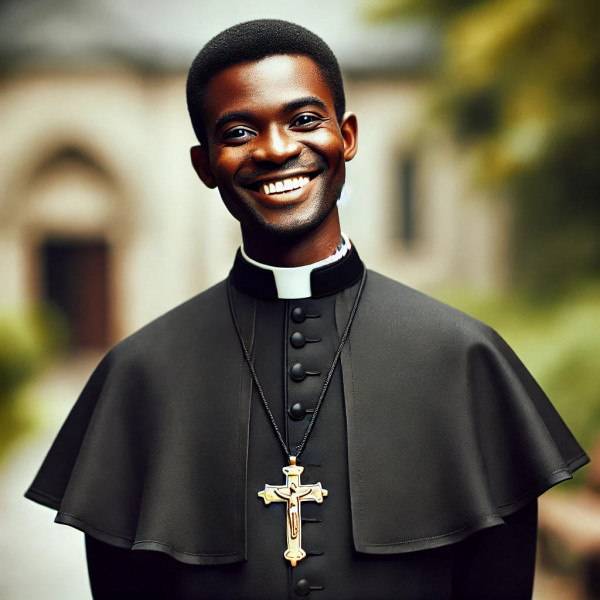
A Call to Live 'In Persona Christi'
Celibacy is a sign of the priest’s identification with Christ, who lived celibately. Thus, priests are called to live “in persona Christi,” symbolizing complete devotion and undivided love for God’s Kingdom.
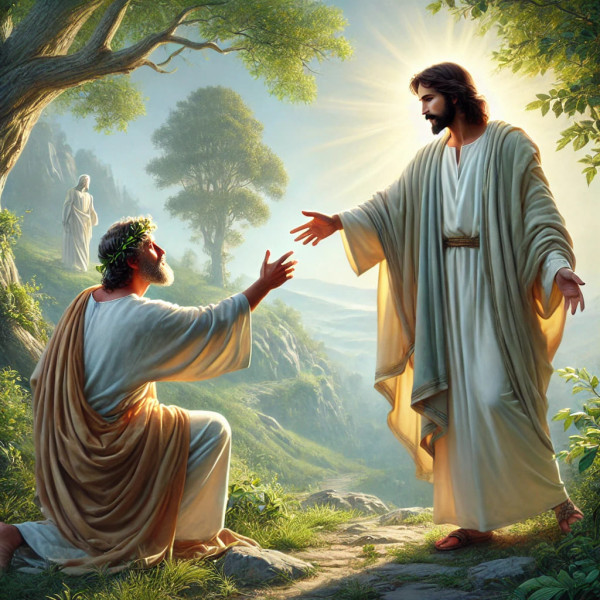
Foretaste of Eternal Life
Jesus stated that in the resurrection “they neither marry nor are given in marriage” (Matthew 22:30). Celibacy is a foretaste of that future reality, reflecting the vocation to total communion with God, where the priest’s life points to the Kingdom of Heaven.
References
Cited sources
Related questions
Submission note to the Catholic Church
The answers here aim to clarify doubts about the Catholic faith. While every effort is made to ensure conformity with the Church's teachings, we recognize that interpretation errors can occur. If you identify any content at odds with the magisterium, please let us know — we will review and correct promptly.