

Short answer
Catholics believe that the Bible is the Word of God, written under the inspiration of the Holy Spirit.
Full answer
Catholics firmly believe that the Bible is the Word of God, revealed and inspired by the Holy Spirit. However, the Church also teaches that Divine Revelation is not limited to Scripture alone but includes Tradition and the Magisterium. These three pillars—Scripture, Tradition, and Magisterium—are inseparable and form the foundation of the Catholic faith, as taught in the Catechism of the Catholic Church, paragraph 95: "It is clear, therefore, that sacred Tradition, sacred Scripture, and the Magisterium of the Church, according to God’s wise design, are so connected and associated that one of them cannot stand without the others, and that all together and each in its own way under the action of the one Holy Spirit contribute effectively to the salvation of souls."
Sacred Tradition refers to the living transmission of the Word of God entrusted to the Apostles and continued by their successors, the bishops, under the guidance of the Holy Spirit. This Tradition predates Scripture itself, as the teachings of Christ were initially transmitted orally, before any part of the New Testament was written. It is estimated that the first letter of the New Testament, the First Letter of St. Paul to the Thessalonians, was written around 50 A.D., about 20 years after the death and resurrection of Christ.
During this time, the Christian faith was passed on primarily through the preaching of the Apostles and the teachings they received directly from Christ and the Holy Spirit. This is evident in 2 Thessalonians 2:15: "So then, brethren, stand firm and hold to the traditions which you were taught by us, either by word of mouth or by letter." Oral Tradition, therefore, played a crucial role in spreading the Christian message before the New Testament writings were consolidated.
Tradition and Scripture together form the deposit of faith, on which the Church bases her teaching and doctrine.
The Magisterium of the Church, which consists of the Pope and the bishops in communion with him, has the responsibility of authentically interpreting the Word of God, both written and transmitted orally. The Catechism of the Church (paragraph 85) states: "The task of authentically interpreting the Word of God, whether written or handed on, has been entrusted exclusively to the living Magisterium of the Church, whose authority is exercised in the name of Jesus Christ." Without the Magisterium, interpreting the Bible could be subjective and lead to confusion, as an inspired interpreter is necessary to preserve fidelity to the revealed truth. St. Peter also warns about the difficulty of correctly interpreting Scripture: "First of all, you must understand this, that no prophecy of Scripture is a matter of one’s own interpretation" (2 Peter 1:20).
Moreover, St. Paul emphasizes that "All Scripture is inspired by God and profitable for teaching, for reproof, for correction, and for training in righteousness" (2 Timothy 3:16), affirming the importance of Scripture in Christian teaching. However, it is important to note that, when Paul wrote these words, he referred to the Scriptures of the Old Testament, as the New Testament was not yet fully written or defined. The Church, under the guidance of the Holy Spirit, discerned and defined the canon of the New Testament over the centuries, completing this process at the Council of Carthage in 397 A.D., when the 27 books that make up the New Testament today were officially recognized.
In this context, Scripture is "useful," but not exclusive. St. Paul and the other Apostles also emphasized the importance of oral Tradition and the Magisterium as indispensable sources for the transmission of faith. The Bible, as we know it today, did not exist in complete form during the early centuries of the Church. Thus, early Christians relied heavily on Tradition, i.e., the teachings transmitted orally by the Apostles (1 Corinthians 11:2: "I commend you because you remember me in everything and maintain the traditions even as I delivered them to you").
Therefore, when reading the Bible, it is essential for the faithful to bear in mind the need for an inspired and authentic interpretation that comes from the Church, to whom Christ entrusted the mission of safeguarding and interpreting His Word. Thus, Scripture, Tradition, and the Magisterium form a single harmonious deposit of faith that guides God’s people.
Visual aid
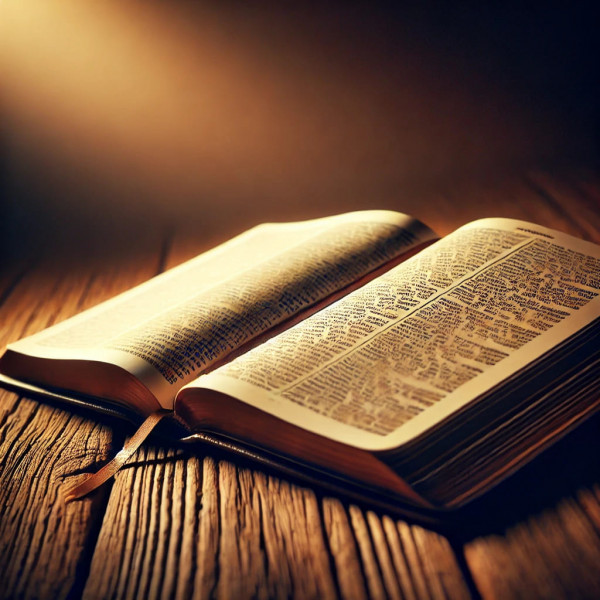
Scripture, Tradition, and Magisterium: A Unified Foundation
Catholics believe that the Bible is the Word of God, but Divine Revelation also includes Tradition and the Magisterium. These three elements form an inseparable foundation of faith, ensuring the faithful transmission of Christ’s teachings (CIC §95).
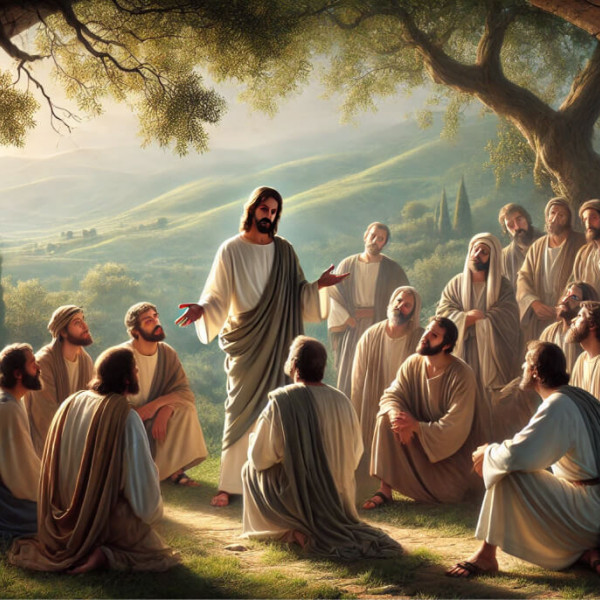
Tradition: The Oral Transmission of Faith
Before the New Testament was written, oral Tradition was essential to spreading the Christian faith. In 2 Thessalonians 2:15, Paul instructs the faithful to "hold firmly to the traditions," highlighting the importance of preaching and teachings passed down by the Apostles.
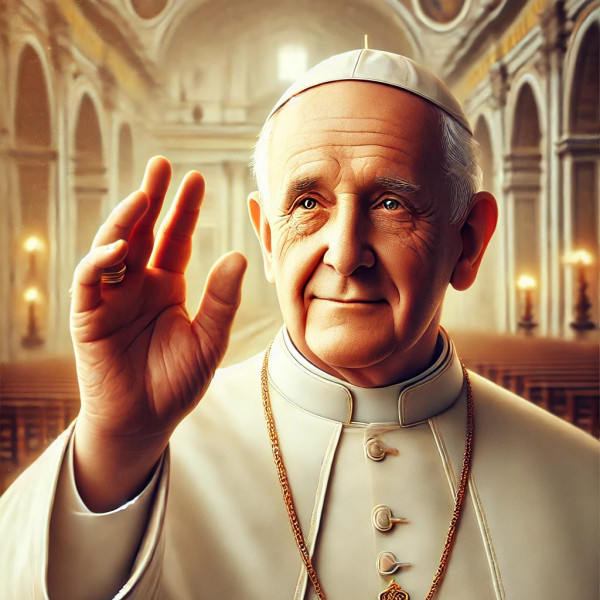
Interpreting the Word: The Role of the Magisterium
The Magisterium of the Church, composed of the Pope and bishops, has the responsibility to authentically interpret the Word of God. This authority is essential to maintain unity in faith and prevent subjective interpretations (CIC §85).
References
Cited sources
Related questions
Submission note to the Catholic Church
The answers here aim to clarify doubts about the Catholic faith. While every effort is made to ensure conformity with the Church's teachings, we recognize that interpretation errors can occur. If you identify any content at odds with the magisterium, please let us know — we will review and correct promptly.