

Short answer
Yes, Tradition is as important as the Bible because both come from the same source: God's revelation.
Full answer
Catholics believe that Tradition is as important as the Bible, and this understanding makes perfect sense when we look at how the Bible itself was formed. In the early years of the Church, Christians did not have the complete New Testament, and what kept the teachings of Jesus alive was oral Tradition, passed down from generation to generation. The first book of the New Testament, which was Saint Paul's First Letter to the Thessalonians, was written around 50 A.D., about 20 years after Christ's resurrection.
During this time, the teachings of Jesus were transmitted orally through the preaching of the apostles and Christian communities. Tradition played a crucial role in this process. Even after the books of the New Testament were written, it took several centuries for the Church to officially define which texts would be included in the Bible. The canon of the Bible was closed only at the end of the fourth century, at the Council of Carthage in 397 A.D. Until then, the faith was lived and taught primarily through Tradition, with the apostles and their successors preserving and transmitting the teachings of Christ.
The letters of the New Testament, such as those of Paul, Peter, and John, were written for very specific purposes: to guide, correct, and strengthen Christian communities. They were not initially intended to form the Bible; they were read in churches to encourage Christians and help them live according to the Gospel. Only later did the Church, through Tradition, discern which of these writings were inspired by God and should become part of the Scriptures.
So, to say that "Tradition is as important as the Bible" is to recognize that without Tradition, we would not even have the Bible as we know it. It was Tradition that preserved the teachings of Christ in the early centuries, and it was through Tradition that the Church was able to identify which books should compose the New Testament. Moreover, Tradition helps us correctly interpret the Scriptures. Without it, each person could interpret the Bible differently, leading to confusion and divisions.
A clear example of this is the Eucharist. The Catholic belief that the bread and wine become the Body and Blood of Christ is rooted both in the words of the Bible and in the practice of the Church since the time of the apostles. Tradition, over the centuries, has helped the Church understand and live this reality more deeply, preserving the teaching that Jesus transmitted at the Last Supper.
Therefore, for Catholics, Tradition is as important as the Bible because both come from the same source: God. They walk together, complementing each other, and are indispensable for the life and faith of the Church. Tradition is living, guided by the Holy Spirit, and ensures that the message of Christ continues to be fully understood and lived through the ages.
Visual aid

Tradition and Bible: Complementary Paths
Catholics believe that Tradition is as important as the Bible because both come from God and complement each other. Tradition preserved and transmitted Jesus' teachings even before the complete New Testament was formed.
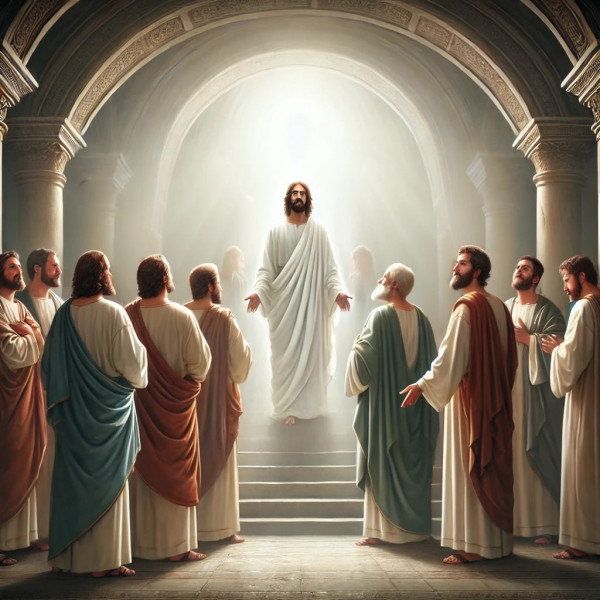
A Fruit of Tradition
The Bible as we know it was only defined in the fourth century, when the Church, through Tradition, discerned which writings were inspired by God. Tradition preserved Christ's teachings until the canon was established.
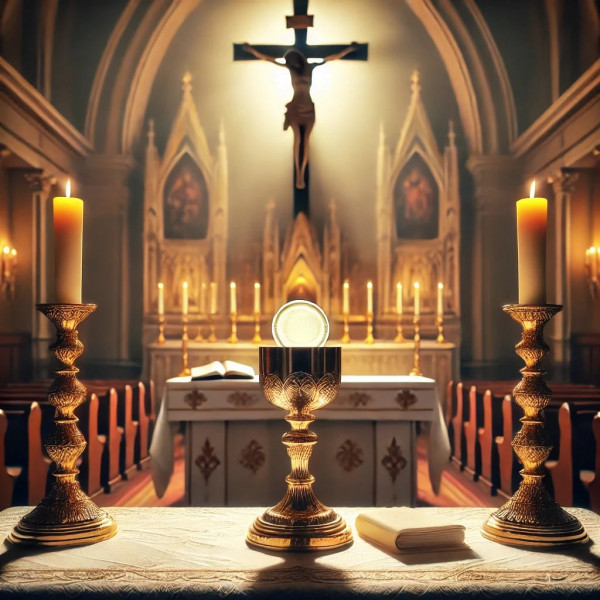
Tradition: A Guide to Interpreting the Bible
Tradition helps interpret Scripture, ensuring unity of faith. Without it, individual interpretations could cause divisions.
References
Cited sources
Related questions
Submission note to the Catholic Church
The answers here aim to clarify doubts about the Catholic faith. While every effort is made to ensure conformity with the Church's teachings, we recognize that interpretation errors can occur. If you identify any content at odds with the magisterium, please let us know — we will review and correct promptly.