

Short answer
Yes, Catholics believe that bishops succeed the Apostles, ensuring the continuity of the Church.
Full answer
Yes, Catholics believe in apostolic succession. This is a central principle of the Catholic faith, which ensures the continuity of the mission and authority of the Apostles through the bishops. Apostolic succession means that the power given by Christ to the Apostles has been directly passed on to their successors, generation after generation, through the sacrament of Holy Orders. This principle is fundamental to the structure of the Catholic Church and is intimately linked to its identity as a community that remains faithful to the apostolic tradition since the early days of the Church.
Catholics believe in apostolic succession because it ensures that the current Church is in full continuity with the Church of the times of Christ and the Apostles. When Jesus chose the twelve Apostles, He commissioned them to preach the Gospel and lead the Church. After His resurrection, He said to the Apostles: “Just as the Father has sent me, I am sending you” (John 20:21). The Apostles, in turn, transmitted this mission and authority to their successors, the bishops, ensuring that the Church remained faithful to its mission to teach, sanctify, and govern the people of God.
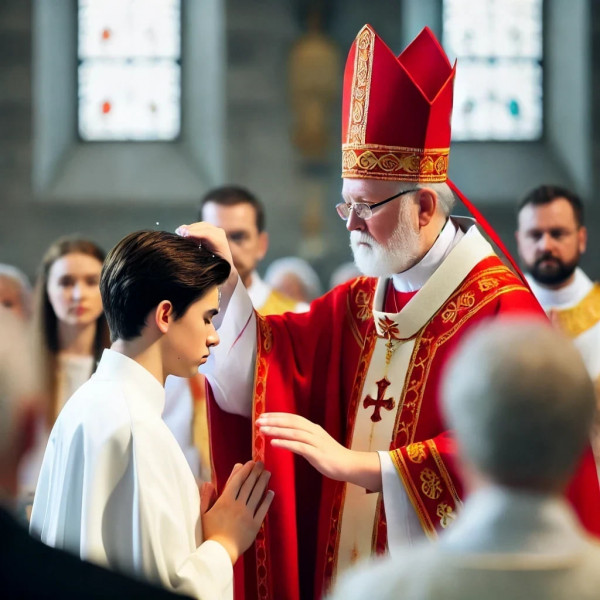
This transmission occurs through an essential rite called the laying on of hands, a gesture that dates back to the apostolic times. The laying on of hands, performed during the ordination of bishops, priests, and deacons, symbolizes the passing of spiritual power and ministerial authority from one generation to the next. Catholics believe in apostolic succession because this rite ensures the continuity of Christ’s grace and authority, transmitted to the Apostles and perpetuated through the bishops. This unbroken line of succession is a visible sign of the Church’s communion with its apostolic origins.
Moreover, Catholics believe in apostolic succession because it is seen as the guarantee of the Church’s fidelity to its doctrine and teaching. Bishops, as successors of the Apostles, are responsible for maintaining the integrity of the faith and ensuring that the teachings of Christ are preserved and transmitted accurately. The mission to teach, govern, and sanctify the people of God, entrusted to the Apostles by Christ, is now the responsibility of the bishops. They, in communion with the Pope, who is the successor of St. Peter, the prince of the Apostles, continue to guide the Church through the centuries.
Apostolic succession is also essential for the integrity of the sacraments, particularly the sacrament of the Eucharist, which is the center of Christian life. Only bishops and priests validly ordained in the line of apostolic succession can consecrate the Eucharist, ensuring that the faithful receive the true Body and Blood of Christ. Through apostolic succession, Catholics believe that the Church maintains not only doctrinal purity but also the sacramental grace necessary for the spiritual life of its members.
Another important aspect is that Catholics believe in apostolic succession because it reflects Christ’s promise to be with His Church until the end of time. In the Gospel of Matthew, Jesus said: “I am with you always, to the end of the age” (Matthew 28:20). Through apostolic succession, bishops and the Pope continue to exercise Christ’s authority on Earth, ensuring that the Church remains united with Him at all times and places.
Therefore, apostolic succession is an essential element of the identity and mission of the Catholic Church. Without it, the Church could not claim continuity with the Apostles nor exercise the authority given by Christ to teach, sanctify, and govern. The belief in apostolic succession is what keeps the Catholic Church united to its apostolic tradition and to the mission entrusted to it by Christ.
Finally, Catholics believe in apostolic succession because it is through it that the Church remains in communion with Christ and the Apostles. It is through this unbroken line of successors that the Church maintains its unity and fidelity to the original mission entrusted to it by Christ. Thus, apostolic succession is not merely a matter of authority, but a guarantee that the Church will continue to be a channel of grace and truth for all generations of the faithful.
Visual aid
What is Apostolic Succession?
Apostolic succession is the transmission of the authority of the Apostles to the current bishops, ensuring that the Church remains faithful to Christ's mission. This rite ensures the continuity of the Church since the times of the Apostles.
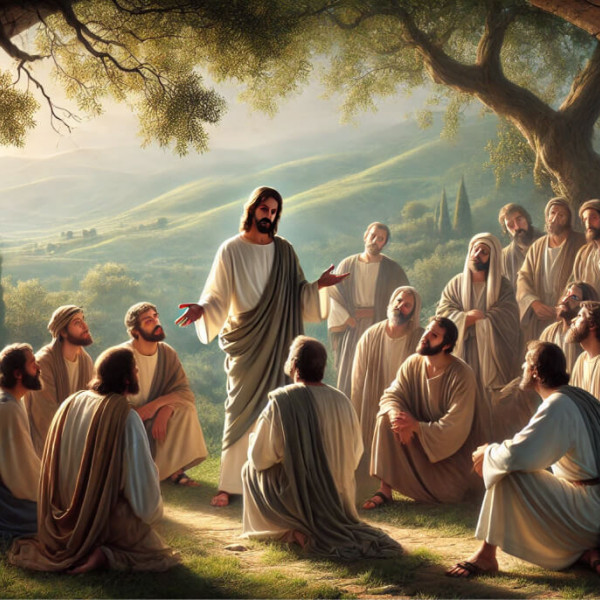
Biblical Foundation and Mission of the Apostles
Jesus commissioned the Apostles to lead and teach the Church. This mission was transmitted to their successors, the bishops, ensuring the Church's fidelity to Christ's doctrine and teaching.
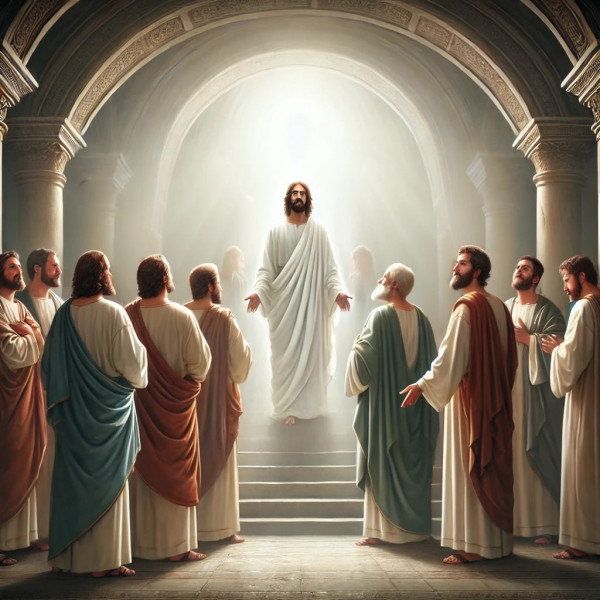
Apostolic Succession and Integrity of the Sacraments
Apostolic succession is essential for the authenticity of the sacraments. Only bishops and priests validly ordained can consecrate the Eucharist, ensuring that the faithful receive the true Body and Blood of Christ.
References
Cited sources
Related questions
Submission note to the Catholic Church
The answers here aim to clarify doubts about the Catholic faith. While every effort is made to ensure conformity with the Church's teachings, we recognize that interpretation errors can occur. If you identify any content at odds with the magisterium, please let us know — we will review and correct promptly.